
An anal fistula is an abnormal tunnel-like passageway that forms between the anal canal and the skin near the anus. It often develops as a complication of an anal abscess. Treatment for an anal fistula typically involves surgical intervention to remove the infected tissue and close the abnormal passage.
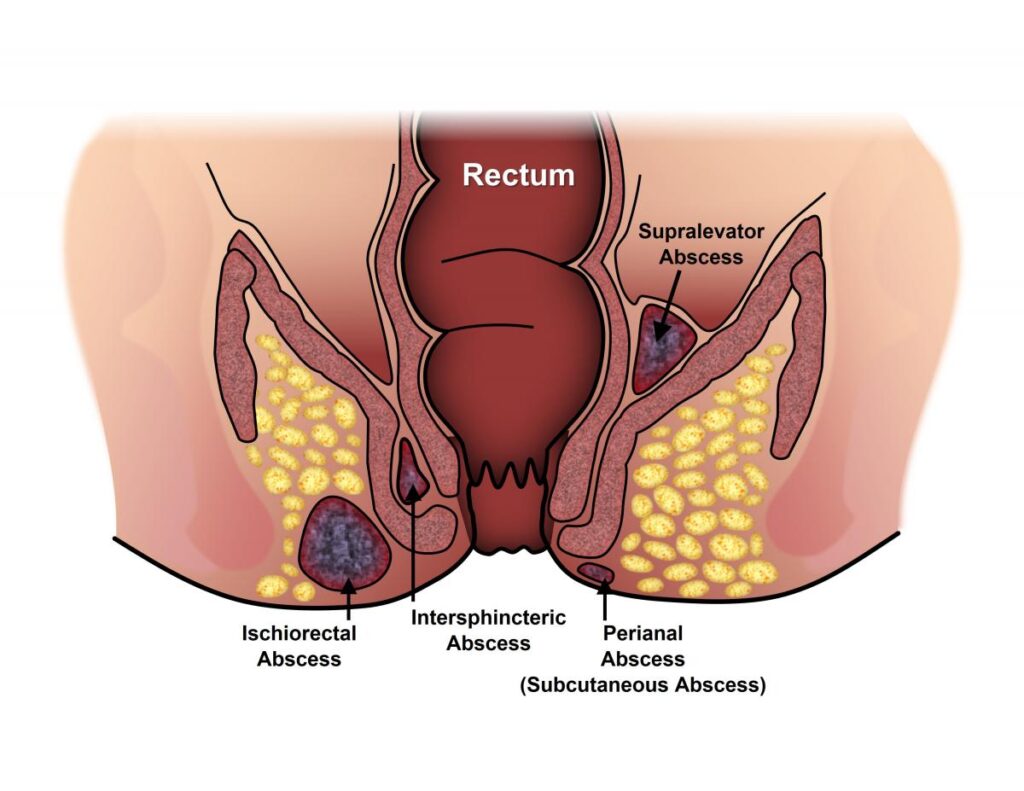
Procedure Overview:
Surgical treatment for anal fistula involves several steps. The procedure begins with the patient under anesthesia to ensure comfort throughout the surgery. The surgeon then carefully examines the fistula tract using specialized instruments and may use imaging techniques such as MRI or endoanal ultrasound to assess the extent of the fistula. Next, the infected tissue and debris within the fistula tract are removed, and the tract is thoroughly cleaned. The surgeon then closes the internal opening of the fistula and may use techniques such as advancement flap or seton placement to promote healing and prevent recurrence. Finally, the wound is closed, and appropriate dressings are applied to aid in healing.
Benefits of Surgical Treatment for Anal Fistula:
Hospital Care Following Surgical Treatment for Anal Fistula:
Patients undergoing surgical treatment for anal fistula require specialized care in a hospital setting to ensure proper recovery and minimize the risk of complications.
Postoperative Care may include:
Conclusion:
Surgical treatment for anal fistula offers an effective solution for resolving symptoms, preventing complications, and improving the quality of life for patients. With appropriate hospital care and postoperative management, patients can expect successful outcomes and a return to normal activities.