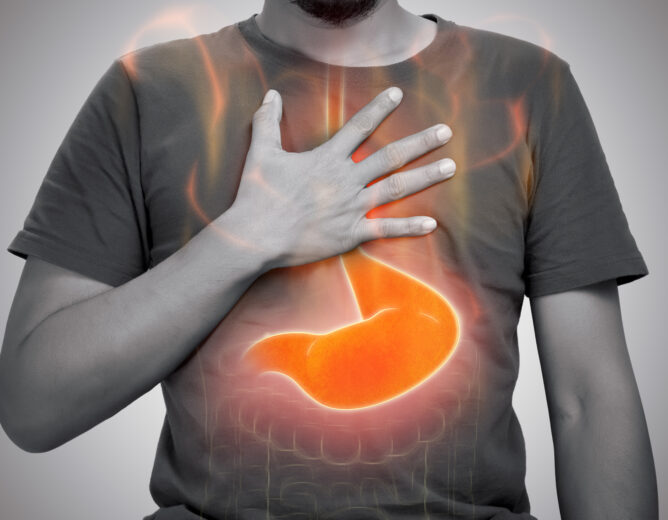
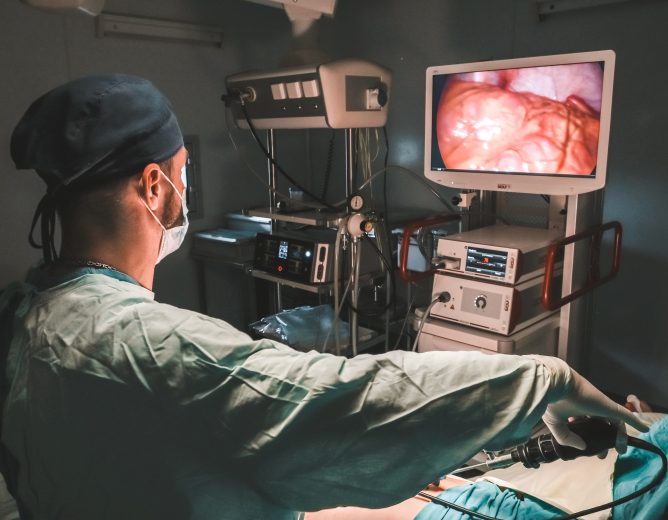
If you are looking for a Laparoscopic surgeon in Sarjapur Road, choosing an experienced specialist can help you understand whether minimally invasive surgery is appropriate for your condition and what to expect before, during and after the procedure. Laparoscopic surgery uses small incisions and a camera guided approach to perform several abdominal and gastrointestinal procedures with precision. Dr. Govind Nandakumar is a surgical gastroenterologist who provides evaluation and surgical care for a range of gastrointestinal conditions, including procedures that may be performed using laparoscopic techniques.
What Is Laparoscopic Surgery?
Laparoscopic surgery, often called minimally invasive surgery, is performed through small incisions rather than one large surgical opening. A laparoscope, which is a thin instrument with a camera, allows the surgeon to view the surgical area on a monitor. Special surgical instruments are then used through additional small openings to complete the procedure.
Depending on the condition, laparoscopic surgery may be considered for procedures involving the gallbladder, hernia, appendix, bowel and other parts of the gastrointestinal system.
The suitability of laparoscopic surgery depends on several factors, including your diagnosis, previous surgeries, overall health, the complexity of the condition and the surgeon’s assessment.
What Are the Potential Benefits?
When laparoscopic surgery is appropriate, patients may experience several advantages compared with conventional open surgery. These can include:
Smaller surgical incisions
Less disruption to surrounding tissues
Reduced postoperative discomfort in many cases
Earlier mobility after surgery
Shorter hospital stay for selected procedures
Smaller scars
Faster return to routine activities in appropriate cases
However, minimally invasive surgery is not automatically the best option for every patient. Some complex conditions may require open surgery or a different surgical approach. A proper clinical evaluation is therefore essential before deciding on treatment.
Conditions That May Be Treated Using Laparoscopic Techniques
A laparoscopic approach may be used for several gastrointestinal and abdominal conditions. Depending on the patient’s diagnosis, procedures can include:
Gallbladder Problems
Gallstones and gallbladder disease are commonly treated with laparoscopic cholecystectomy. The procedure involves removing the gallbladder through small incisions when surgery is medically indicated.
Hernia
Certain abdominal and groin hernias may be suitable for laparoscopic hernia repair. The approach used depends on the type, size and location of the hernia and the patient’s individual circumstances.
Appendix and Abdominal Conditions
Laparoscopic techniques may also be used for appendectomy and selected abdominal procedures.
Gastrointestinal Conditions
Some procedures involving the stomach, intestine and other parts of the gastrointestinal tract can be performed laparoscopically or using other minimally invasive techniques, depending on the disease and surgical requirements.
What Happens During a Consultation?
A consultation should begin with understanding your symptoms, medical history and previous treatments. The surgeon may review blood tests, ultrasound, CT scans, endoscopy reports or other investigations where relevant.
The discussion generally covers:
Your diagnosis and treatment options
Whether surgery is necessary
Whether a laparoscopic approach is suitable
Possible risks and complications
Expected recovery
Hospital stay and follow-up requirements
What you should do before surgery
This allows you to make an informed decision rather than choosing a surgical approach based only on the size of the incision.
Choosing a Laparoscopic Surgeon in Sarjapur Road
Patients searching for a Laparoscopic surgeon in Sarjapur Road may have concerns about surgical experience, hospital facilities, recovery time and whether minimally invasive surgery is suitable for their particular condition.
Sarjapur Road has become a major residential and healthcare corridor in Bengaluru, with patients from Sarjapur, Harlur, Bellandur, Kasavanahalli, Carmelaram and surrounding areas seeking specialist medical care. Choosing a surgeon who can evaluate the complete clinical picture and explain both surgical and non-surgical options can make the treatment journey clearer.
For gastrointestinal conditions, it is particularly important to consult a specialist who understands the digestive system and can determine the most appropriate procedure based on the underlying condition rather than simply recommending a minimally invasive technique.
Frequently Asked Questions
1. Is laparoscopic surgery safer than open surgery?
Laparoscopic surgery can offer advantages for appropriately selected patients, but safety depends on the specific condition, procedure, patient’s health and surgeon’s assessment. Open surgery may be more appropriate for certain complex cases.
2. How long does recovery take after laparoscopic surgery?
Recovery varies according to the procedure and individual health. Some patients return to normal activities relatively quickly, while more complex operations require a longer recovery period.
3. Does laparoscopic surgery leave scars?
Laparoscopic procedures generally involve smaller incisions than traditional open surgery, so the resulting scars are usually smaller. The number and location of incisions depend on the procedure.
4. How do I know whether laparoscopic surgery is right for me?
The best way to determine this is through a consultation and appropriate diagnostic evaluation. Your surgeon can explain the available treatment options and recommend an approach based on your condition.
Get Expert Surgical Evaluation
If you are considering minimally invasive treatment and need a Laparoscopic surgeon in Sarjapur Road, consult a qualified gastrointestinal surgeon for an individual assessment. Dr. Govind Nandakumar can evaluate your condition, explain suitable surgical and non-surgical options, and help you understand what to expect throughout your treatment and recovery.
Book a consultation with a Laparoscopic surgeon in Sarjapur Road to discuss your symptoms, diagnosis and treatment options.