
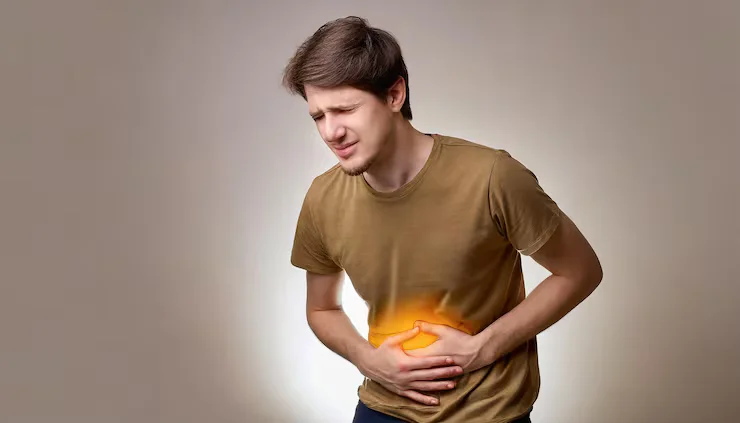
Bloating is a common digestive complaint. You may feel that your stomach is full, tight, heavy, or swollen, even after passing gas. Sometimes it improves after using the toilet or passing gas. But if the bloating continues for hours, keeps returning, or is accompanied by pain, changes in bowel habits, or weight loss, there may be more to it than ordinary gas.
Persistent bloating can have several causes, including constipation, food intolerance, indigestion, irritable bowel syndrome, acid-related digestive problems, and certain gastrointestinal conditions. Finding the underlying cause is more useful than simply taking medication for gas whenever symptoms appear.
Why Does My Stomach Stay Bloated After Passing Gas?
Passing gas usually relieves some pressure in the digestive tract. However, bloating is not always caused by trapped gas alone.
The sensation of bloating can occur because of:
- Slow movement of food through the digestive system
- Constipation or incomplete bowel movements
- Food intolerance
- Irritable bowel syndrome (IBS)
- Indigestion
- Changes in gut bacteria
- Acid-related digestive problems
- Certain gastrointestinal disorders
In some people, the digestive system may become more sensitive to normal amounts of gas or intestinal movement. As a result, they may continue to feel bloated even after passing gas.
Is Persistent Bloating Just Gas?
Not always.
Gas can certainly cause temporary abdominal fullness and discomfort. But bloating that repeatedly returns or does not improve after passing gas should not automatically be attributed to gas.
For example, constipation can cause bloating because stool remains in the bowel and affects normal movement. Similarly, certain foods may trigger symptoms in people who have food intolerances.
If bloating is persistent, the important question is not simply “How can I get rid of gas?” but rather:
“Why am I repeatedly becoming bloated?”
Understanding the pattern can help identify the underlying problem.
Common Causes of Persistent Bloating
1. Constipation
Constipation is one of the common reasons for ongoing bloating.
You may be constipated even if you pass stools regularly. Hard stools, straining, a feeling of incomplete emptying, or having to wait several days between bowel movements can all suggest constipation.
When stool moves slowly through the intestine, abdominal fullness and discomfort can continue.
2. Food Intolerance
Certain foods can cause bloating in some people.
Lactose-containing foods, some high-fibre foods, carbonated drinks, and certain carbohydrates may trigger symptoms depending on individual tolerance.
Keeping a simple food and symptom diary can help identify whether particular foods are consistently associated with bloating.
However, removing large numbers of foods from your diet without professional guidance is not always necessary or beneficial.
3. Indigestion
Indigestion, also called dyspepsia, can cause:
- Upper abdominal discomfort
- Feeling unusually full after eating
- Bloating
- Belching
- Nausea
- Burning or discomfort in the upper abdomen
Eating very quickly, consuming large meals, or eating foods that trigger symptoms may make indigestion worse.
If these symptoms occur frequently, it is worth discussing them with a doctor rather than repeatedly treating them on your own.
4. Irritable Bowel Syndrome
Irritable bowel syndrome can cause a combination of abdominal discomfort, bloating and changes in bowel habits.
Some people experience constipation, while others have loose stools or alternating constipation and diarrhoea.
IBS is usually diagnosed based on symptoms and medical evaluation. Similar symptoms can occur in other digestive conditions, so persistent symptoms should be assessed rather than automatically labelled as IBS.
5. Acid-Related Digestive Problems
Acid reflux and other acid-related conditions may cause upper abdominal discomfort, burping, fullness, or bloating.
If you frequently experience acidity along with bloating, particularly if symptoms interfere with sleep or daily activities, a medical consultation can help determine whether further evaluation is appropriate.
Can Stress Cause Bloating?
Stress can affect the way the digestive system functions.
Some people notice more bloating, abdominal discomfort, changes in bowel movements, or indigestion during periods of stress. The brain and digestive system communicate closely, which is sometimes referred to as the gut-brain connection.
However, stress should not automatically be assumed to be the cause of persistent digestive symptoms. If symptoms are new, severe, or continuing for a long time, other causes should also be considered.
When Should Persistent Bloating Be Checked by a Doctor?
Occasional bloating after a large meal is usually not a reason for concern. However, it is sensible to seek medical advice if bloating is:
- Frequent or persistent
- Becoming progressively worse
- Associated with ongoing abdominal pain
- Accompanied by repeated vomiting
- Associated with persistent diarrhoea or constipation
- Associated with blood in the stool
- Associated with unexplained weight loss
- Affecting your appetite or ability to eat normally
- Waking you from sleep
These symptoms do not necessarily mean that you have a serious condition. They simply indicate that the symptoms deserve proper evaluation.
What Tests May Be Needed for Persistent Bloating?
Not everyone with bloating needs extensive testing.
A doctor will first ask about your symptoms, diet, bowel habits, medications, previous medical conditions, and how long the problem has been present.
Depending on your symptoms and examination, the doctor may recommend blood tests, stool tests, abdominal imaging, or other investigations. In selected cases, an endoscopy or additional gastrointestinal evaluation may be appropriate.
The choice of test should be based on your individual symptoms and clinical findings rather than a one-size-fits-all approach.
How Is Gastric Pain and Bloating Treated?
Treatment depends on the cause.
For example, someone with constipation may need a different approach from someone with food intolerance or an acid-related condition.
Depending on the diagnosis, management may include:
- Dietary changes
- Improving hydration
- Increasing physical activity
- Treating constipation
- Managing food triggers
- Medicines when appropriate
- Treatment of an underlying gastrointestinal condition
If bloating occurs together with significant abdominal discomfort, the underlying cause should be addressed rather than simply masking the symptoms.
Patients searching for gastric pain treatment in Bangalore should ideally seek an evaluation when symptoms are persistent or recurrent. The appropriate treatment depends on what is actually causing the pain or bloating.
When Should You See a Gastroenterologist?
A gastroenterologist in Bangalore can evaluate persistent digestive symptoms involving the stomach, intestine, liver, gallbladder, pancreas, and other parts of the gastrointestinal system.
Consider consulting a specialist if:
- Your bloating continues despite basic lifestyle changes
- Symptoms repeatedly return
- You have persistent abdominal pain
- Your bowel habits have changed
- You have unexplained weight loss
- You have recurrent vomiting or diarrhoea
- You notice blood in your stool
- Symptoms are affecting your normal activities
A specialist can assess the complete symptom pattern and determine whether investigations are needed.
What Can You Do at Home for Occasional Bloating?
If the bloating is mild and occasional, some simple habits may help:
Eat slowly: Eating quickly can increase swallowed air and may contribute to discomfort.
Avoid very large meals: Smaller meals may be easier to tolerate.
Stay physically active: Regular movement can support normal bowel function.
Drink enough water: Adequate hydration can be particularly helpful when constipation contributes to bloating.
Notice food triggers: Keep track of foods that consistently cause symptoms.
Limit excessive carbonated drinks: Fizzy beverages can increase swallowed gas.
These measures may help with occasional symptoms, but persistent bloating should not be managed indefinitely without understanding the cause.
Frequently Asked Questions
1. Why am I still bloated after passing gas?
Passing gas does not always eliminate the underlying reason for bloating. Constipation, food intolerance, IBS, indigestion, and other digestive problems can cause continued bloating even after gas has passed.
2. How long is too long for bloating?
Occasional bloating can happen after certain meals. If bloating is persistent, frequently recurring, worsening, or accompanied by other symptoms such as pain, vomiting, blood in the stool, or unexplained weight loss, it should be evaluated by a doctor.
3. Can constipation cause bloating even if I pass stool every day?
Yes. A person may still have constipation-related symptoms despite passing stool daily, particularly if the stool is hard, there is straining, or there is a feeling of incomplete bowel emptying.
4. Is persistent bloating a sign of a serious disease?
Persistent bloating has many possible causes, most of which are not necessarily serious. However, ongoing symptoms or bloating accompanied by warning signs should be evaluated to rule out conditions that require treatment.
5. Should I see a gastroenterologist for frequent bloating?
If bloating keeps returning, does not improve with simple measures, or occurs with abdominal pain, bowel changes, weight loss, vomiting, or blood in the stool, consulting a gastroenterologist may be appropriate.
Key Takeaway
Persistent bloating after passing gas is not always caused by trapped gas. Constipation, food intolerance, indigestion, IBS, acid-related problems, and other gastrointestinal conditions can all contribute to the sensation of ongoing abdominal fullness.
Occasional bloating may improve with simple dietary and lifestyle changes. But if the problem keeps returning or is accompanied by other symptoms, identifying the underlying cause is important.
Rather than repeatedly taking medicines for gas or acidity without knowing why the symptoms are occurring, consider speaking with a qualified doctor for an appropriate evaluation. For people seeking gastric pain treatment in Bangalore, the right treatment should be based on the underlying cause and individual health needs.
Medically reviewed by: Dr. Govind Nandakumar, Surgical Gastroenterologist
This article is for general health education and does not replace an in-person medical consultation. If you have severe or worsening abdominal pain, repeated vomiting, blood in the stool, jaundice, or other concerning symptoms, seek prompt medical attention.