
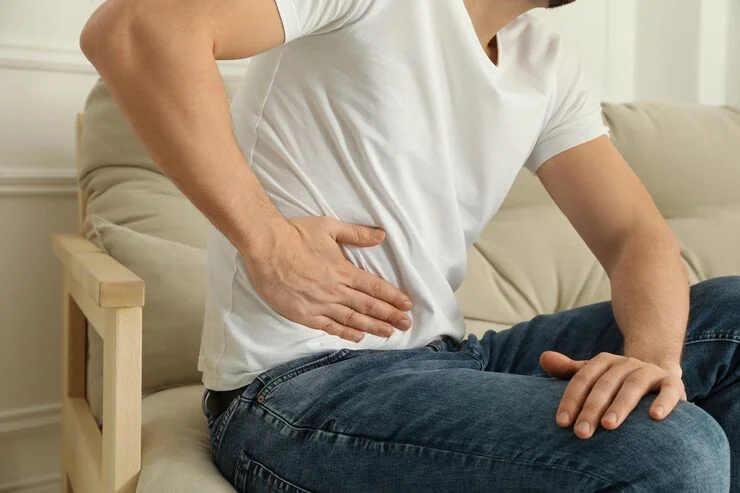
Have you ever noticed pain in the upper right side of your stomach after eating, especially after a heavy or oily meal? You may wonder whether it is simply indigestion or a sign of a gallbladder problem.
Right side stomach pain after eating can have several causes. Gallstones and other gallbladder conditions are common possibilities, but the pain can also come from the stomach, liver, pancreas, intestines, or even the abdominal muscles. The location, timing, severity, and other symptoms can help a doctor understand what may be causing it.
If the pain keeps returning, becomes severe, or occurs with symptoms such as fever, vomiting, or yellowing of the eyes or skin, it should not be ignored.
What Causes Right Side Stomach Pain After Eating?
Pain in the upper right abdomen after meals is often associated with the gallbladder, but it is not always the cause.
Some possible reasons include:
- Gallstones
- Gallbladder inflammation
- Indigestion or acid-related problems
- Liver conditions
- Pancreatic problems
- Peptic ulcers
- Intestinal problems
- Abdominal muscle strain
Because several conditions can cause similar symptoms, it is difficult to identify the exact cause based only on where the pain occurs.
Could Your Gallbladder Be Causing the Pain?
The gallbladder is a small organ located beneath the liver. It stores bile, which helps the body digest fats.
When you eat a meal containing fat, the gallbladder contracts and releases bile into the digestive system. If gallstones are blocking the normal flow of bile, this contraction can trigger pain.
This is one reason some people notice upper right abdominal pain after eating, particularly following a fatty or heavy meal.
Gallbladder-related pain may feel like:
- A dull or sharp pain in the upper right abdomen
- Pain that starts after eating
- Pain that may spread toward the right shoulder or back
- A feeling of pressure or fullness
- Pain that lasts for several minutes to a few hours
Some people may also experience nausea or vomiting.
However, not everyone with gallstones has symptoms. Gallstones that do not cause symptoms may sometimes be discovered during an ultrasound performed for another reason.
What Are the Common Symptoms of Gallstones?
Gallstones are hardened deposits that develop inside the gallbladder. They can vary in size and may not always cause problems.
When a stone blocks a bile duct, a person may experience what is commonly called a gallbladder attack.
Symptoms can include:
- Sudden pain in the upper right abdomen
- Pain after meals
- Pain that may travel to the back or right shoulder
- Nausea
- Vomiting
- Abdominal discomfort or bloating
If these symptoms repeatedly occur after meals, a medical evaluation can help determine whether gallstones are responsible.
Is Right Upper Abdominal Pain Always a Gallbladder Problem?
No. Right side stomach pain after eating does not automatically mean you have gallstones.
For example, acid reflux, gastritis, an ulcer, liver conditions, and other digestive problems can cause abdominal discomfort. The exact location of pain can sometimes overlap between different conditions.
This is why self-diagnosing based on symptoms alone can be misleading.
A doctor may ask questions such as:
- When does the pain begin?
- Does it happen after every meal or only certain foods?
- How long does the pain last?
- Is the pain sharp, cramping, or constant?
- Does it spread to your back or shoulder?
- Do you have nausea or vomiting?
- Have you noticed fever or jaundice?
- Have you experienced similar episodes before?
These details help guide further evaluation.
When Should You See a Doctor for Upper Right Abdominal Pain?
Occasional mild digestive discomfort may settle on its own. However, recurring or unexplained pain deserves attention.
You should consider consulting a doctor if:
- The pain keeps coming back after meals
- The pain is becoming more frequent or severe
- You have repeated nausea or vomiting
- You develop fever or chills
- Your abdomen becomes very tender
- You notice yellowing of the eyes or skin
- Your urine becomes unusually dark
- You have persistent loss of appetite or unexplained weight loss
Severe or persistent abdominal pain, particularly when accompanied by fever, vomiting or jaundice, requires prompt medical assessment.
How Is a Gallbladder Problem Diagnosed?
A doctor will usually begin with your medical history and a physical examination.
Depending on your symptoms, investigations may include blood tests and abdominal imaging. Ultrasound is commonly used to look for gallstones and assess the gallbladder. Other tests may be recommended when the diagnosis is unclear or when a doctor needs more information about the bile ducts, liver, pancreas, or surrounding organs.
The right test depends on the symptoms and clinical findings rather than simply the location of the pain.
Does Every Gallstone Need Treatment?
Not necessarily.
If gallstones are found but are not causing symptoms, treatment may not always be required immediately. Doctors generally consider the symptoms, complications, overall health, and findings on examination and investigations before recommending treatment.
When gallstones cause repeated symptoms or complications, surgery may be considered.
The commonly performed procedure is laparoscopic cholecystectomy, in which the gallbladder is removed through small incisions using minimally invasive surgical techniques.
Your surgeon can explain whether surgery is appropriate for your particular situation.
What Is Gallbladder Treatment in Sarjapur Road Like?
If you are experiencing recurring upper right abdominal pain and live in or around Sarjapur Road, getting evaluated by an experienced surgical gastroenterologist can help identify the cause.
Gallbladder treatment in Sarjapur Road may involve evaluating symptoms, reviewing ultrasound or other investigation reports, identifying whether gallstones or another gallbladder condition is responsible, and discussing appropriate treatment options.
Treatment is not the same for every patient. Some people may only need monitoring, while symptomatic gallstones or complications may require surgical treatment.
The important step is to understand the underlying cause before deciding on treatment.
Can Food Trigger Gallbladder Pain?
Some people notice that their symptoms are worse after eating fatty or very heavy meals. This may happen because the gallbladder contracts to release bile when digesting fat.
However, food triggers are not enough to confirm that you have gallstones.
Until you are evaluated, you may find it helpful to notice whether particular foods consistently make your symptoms worse. Sharing this information with your doctor can be useful during the consultation.
Frequently Asked Questions
1. Why does my upper right stomach hurt after eating?
Gallbladder problems such as gallstones are one possible cause, but indigestion, ulcers, liver conditions, pancreatic problems, and other digestive conditions can also cause pain in this area. A medical evaluation is needed to identify the cause.
2. Does gallbladder pain happen after every meal?
Not necessarily. Some people experience pain after fatty or heavy meals, while others may have symptoms at different times. The pattern varies from person to person.
3. How do I know if my right-side abdominal pain is from gallstones?
Gallstone-related pain often occurs in the upper right abdomen and may appear after meals. It can sometimes spread toward the back or right shoulder and may be associated with nausea or vomiting. However, symptoms alone cannot confirm gallstones.
4. Can gallstones go away on their own?
Gallstones generally do not simply disappear on their own. However, not every person with gallstones needs treatment. Management depends on whether the stones are causing symptoms or complications.
5. Is upper right abdominal pain an emergency?
It can be, particularly when severe or persistent pain occurs with fever, repeated vomiting, jaundice, or significant abdominal tenderness. These symptoms should receive prompt medical attention.
Conclusion
Upper right stomach pain after eating can be caused by gallstones or other digestive conditions. While the gallbladder is an important possibility, it is not possible to determine the cause from symptoms alone.
If the pain keeps returning, particularly after meals, consider getting evaluated rather than repeatedly treating it as ordinary indigestion. A proper examination and appropriate investigations can help identify the cause and determine whether you need observation, medication, or a procedure.
For patients looking for gallbladder treatment in Sarjapur Road, an evaluation by a surgical gastroenterologist can help you understand the available treatment options based on your diagnosis and individual health needs.
This article is intended for general health education and does not replace an in-person medical consultation. Persistent, severe, or worsening abdominal pain should be evaluated by a qualified medical professional.