Being referred to a surgeon does not necessarily mean you have to make an immediate decision about an operation. For many patients, the first appointment is about finding out what is wrong, understanding the available choices and deciding what makes sense for their situation.
If you are searching for a Laparoscopic Surgeon in Yelahanka, you may already have a diagnosis or a scan report suggesting that surgery could be required. You may also be looking for a specialist who can explain the procedure in simple terms and help you understand what happens before and after treatment.
A good surgical evaluation should give you clarity rather than leave you with more questions.
Start With the Diagnosis, Not the Procedure
Patients often search for a particular operation as soon as they receive a diagnosis. However, two people with similar symptoms may need very different treatment.
For example, abdominal pain can have many possible causes. A surgeon needs to consider your symptoms, physical examination, investigation results and medical history before deciding whether an operation is appropriate.
This is particularly important when the condition involves the digestive system, because the source of the problem may be related to the gallbladder, stomach, intestine, appendix, abdominal wall or another organ.
The goal of the consultation is therefore to establish what needs to be treated and why.
What Does a Laparoscopic Approach Involve?
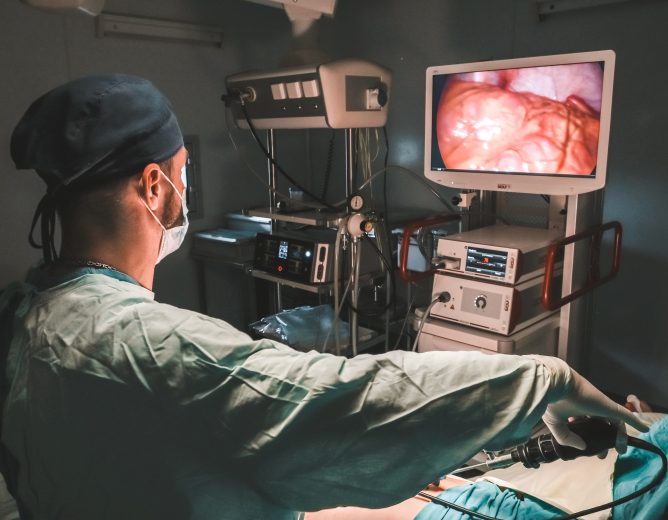
Laparoscopy allows a surgeon to access the abdomen through small openings using a camera and specially designed instruments.
The camera provides a magnified view of the operative area on a screen. The surgeon then performs the required procedure using instruments inserted through the small incisions.
The technique is used for a variety of procedures, but it is not a universal solution.
A patient’s previous operations, anatomy, medical condition and the complexity of the disease can all influence whether minimally invasive surgery is appropriate.
What Should You Know Before Saying Yes to Surgery?
Before agreeing to an operation, make sure you understand the purpose of the treatment.
A useful discussion with your surgeon should cover:
The reason for surgery: What problem is the operation intended to treat?
The expected benefit: What improvement is the procedure expected to provide?
The alternatives: Is there another reasonable way to manage the condition?
The risks: What complications are relevant to your particular operation?
The recovery: What should you expect during the first few days and weeks?
The follow-up: When will you need to return for review?
Understanding these points can help you make a decision based on your own circumstances rather than someone else’s experience.
When Is Laparoscopic Surgery Used?
Laparoscopic techniques are used for a range of surgical conditions.
A patient with symptomatic gallstones, for instance, may be advised to undergo laparoscopic gallbladder removal. Certain hernias can also be repaired using minimally invasive techniques.
Appendix surgery may be performed laparoscopically in appropriate cases, while selected procedures involving the gastrointestinal tract may also use a minimally invasive approach.
The exact operation depends on the underlying condition.
It is also possible that a surgeon may recommend an open procedure instead. This does not necessarily mean that something has gone wrong. For some patients or complex conditions, an open approach may be considered more appropriate.
What About Pain and Scarring?
Pain and scarring are among the most common concerns patients have before abdominal surgery.
Laparoscopic procedures generally use smaller incisions than traditional open surgery. This may mean smaller scars and, for suitable procedures, potentially less postoperative discomfort.
However, every operation still involves a recovery period.
You may experience soreness, tiredness or temporary changes in your usual activity. Your surgeon and healthcare team can provide specific instructions based on the operation you undergo.
Rather than comparing your recovery with another patient’s experience, follow the instructions provided for your particular procedure.
Finding a Laparoscopic Surgeon in Yelahanka
When choosing a Laparoscopic Surgeon in Yelahanka, patients should look beyond convenience and consider whether the surgeon’s expertise matches their condition.
Yelahanka serves patients from several surrounding areas of North Bengaluru, including Hebbal, Jakkur, Thanisandra, Sahakara Nagar, Kogilu and nearby neighbourhoods. For patients requiring multiple appointments, having specialist care that is reasonably accessible can make follow-up easier.
More importantly, look for a surgeon who can explain your diagnosis, discuss the appropriate surgical options and help you understand the limitations and potential risks of treatment.
For gastrointestinal surgery, experience with the particular condition being treated is an important consideration.
Preparing for Your Surgical Consultation
You can make your appointment more productive by carrying your previous medical documents.
If available, bring:
Scan and ultrasound reports
Blood investigation results
Endoscopy or colonoscopy reports
Previous discharge summaries
Details of earlier operations
Your current medication list
It is also useful to write down your main symptoms and when they started.
If you have been referred by another doctor, carry the referral or previous consultation notes where available.
Questions Patients Often Forget to Ask
Once a surgeon explains the diagnosis, patients sometimes focus so much on the operation that they forget to ask about everyday practical matters.
You may want to ask:
How should I prepare before the procedure?
Will I need to change any medication?
How long might I need to stay in hospital?
When can I start walking normally?
When can I return to work?
Are there dietary restrictions during recovery?
What symptoms after surgery should prompt me to contact the hospital?
Having these answers beforehand can make the recovery period easier to plan.
When Should You Seek Specialist Evaluation?
A consultation is particularly useful if you have been experiencing persistent abdominal symptoms, have been diagnosed with a condition that may require surgery, or have already received a recommendation for an operation and want to understand it better.
You do not need to wait until you are completely certain that you need surgery. The purpose of a specialist appointment is to establish what is happening and discuss the appropriate next step.
Frequently Asked Questions
1. Can laparoscopic surgery be performed for gastrointestinal conditions?
Yes. Selected gastrointestinal and abdominal procedures can be performed using laparoscopic techniques. The suitability of the approach depends on the individual diagnosis.
2. Are smaller incisions the only advantage of laparoscopy?
No. Depending on the procedure, minimally invasive surgery may also be associated with less tissue disruption and recovery benefits. The actual outcome varies between patients.
3. What if laparoscopic surgery is not possible?
Your surgeon may recommend another surgical approach if it is considered more appropriate for your condition or safer during the procedure.
4. Should I bring my previous reports to the consultation?
Yes. Previous scans, blood tests, endoscopy reports and surgical records can provide useful information and help the surgeon understand your medical history.
Discuss Your Options With a Specialist
Surgery is a significant decision, but understanding the reason for treatment and knowing what to expect can make the process easier to navigate.
If you are looking for a Laparoscopic Surgeon in Yelahanka, Dr. Govind Nandakumar can evaluate your condition and explain the surgical approaches that may be appropriate based on your individual needs.
Looking for a Laparoscopic Surgeon in Yelahanka? Book a consultation to discuss your diagnosis, surgical options and whether Laparoscopic Surgery in Yelahanka is suitable for your condition.