
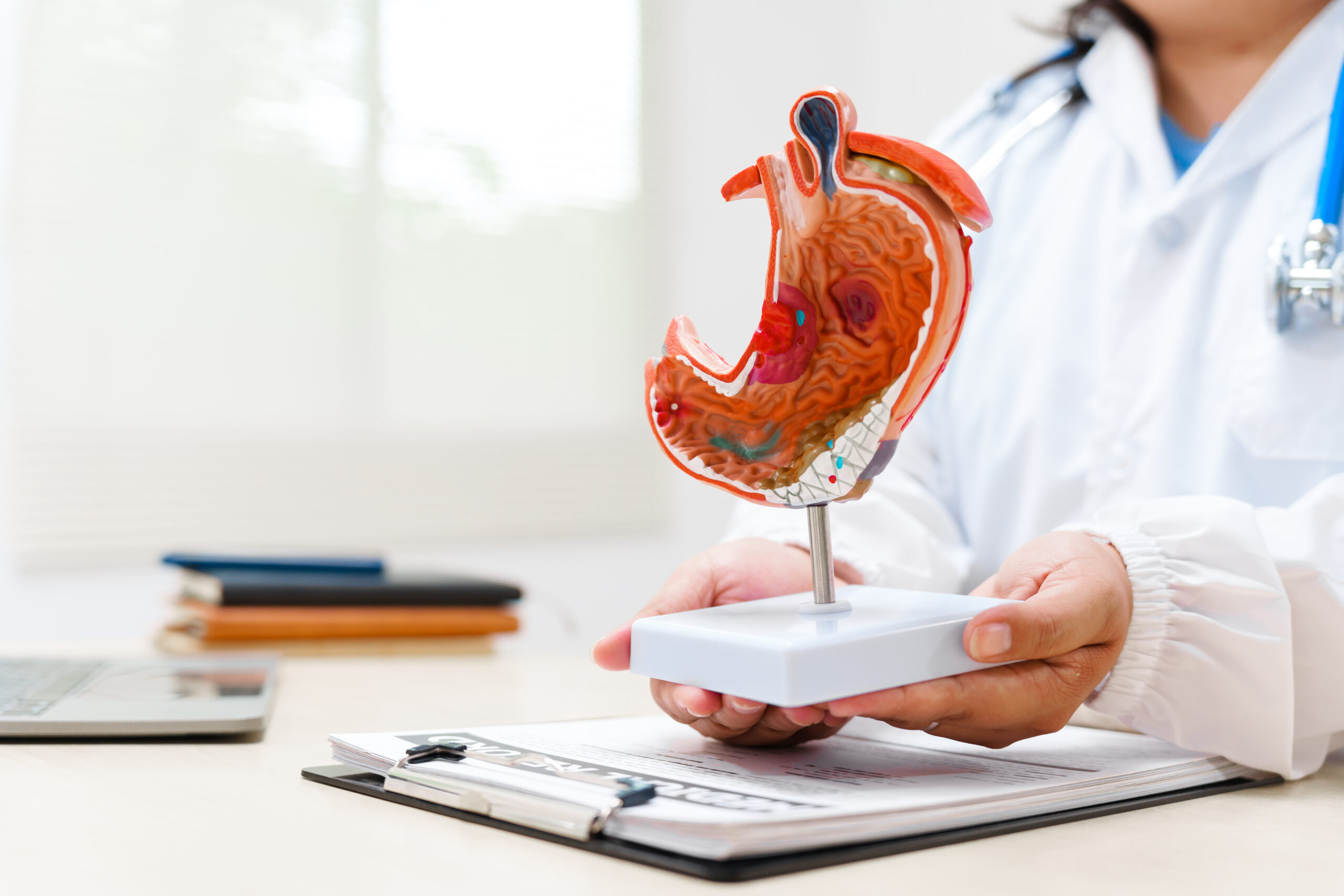
Digestive health plays a vital role in our overall well-being, influencing everything from energy levels to immunity. When faced with complex gastrointestinal issues, it’s essential to consult a specialist who understands both the medical and surgical aspects of the digestive system. This is where a Surgical Gastroenterologist steps in. But what exactly does a surgical gastroenterologist do, and how can they help you regain control of your digestive health?
In this blog, we’ll explore how a Surgical Gastroenterologist in Bangalore can help manage and treat digestive health concerns, what conditions they treat, when you should see one, and what you can expect from your consultation.
Who Is a Surgical Gastroenterologist?
A Surgical Gastroenterologist is a medical specialist who focuses on diagnosing and surgically treating disorders of the gastrointestinal tract. This includes the esophagus, stomach, intestines, liver, pancreas, and gallbladder. Unlike general gastroenterologists who mainly focus on medical management using endoscopy and medications, surgical gastroenterologists are trained to perform surgeries when non-surgical treatments are not sufficient.
They combine their deep knowledge of gastrointestinal diseases with surgical expertise to offer comprehensive care, especially in cases like cancer, inflammatory bowel disease (IBD), gallstones, hernias, and chronic acid reflux.
Common Digestive Health Concerns That Require Surgical Attention
Many digestive disorders can be managed with medication and lifestyle changes. However, when these interventions fail or the condition is severe, a Surgical Gastroenterologist in Sarjapur Road can provide advanced solutions. Here are some common conditions they treat:
1. Gallbladder Diseases
Gallstones can cause intense pain, nausea, and digestive problems. In most cases, surgery (cholecystectomy) is recommended to remove the gallbladder and relieve symptoms.
2. Hernias
Inguinal, umbilical, and hiatal hernias can lead to discomfort and complications if left untreated. Surgical repair helps restore the integrity of the abdominal wall and prevents further health issues.
3. Colorectal Disorders
Conditions such as colon cancer, rectal cancer, diverticulitis, or polyps often require surgical intervention. Laparoscopic or open surgery can remove affected sections of the bowel and restore healthy function.
4. Gastroesophageal Reflux Disease (GERD)
Chronic acid reflux that doesn’t respond to medication may need surgical correction like fundoplication, a procedure that strengthens the lower esophageal sphincter.
5. Pancreatitis and Pancreatic Tumors
Recurring pancreatitis and pancreatic masses often need expert evaluation. A surgical gastroenterologist can perform procedures like distal pancreatectomy or Whipple surgery depending on the diagnosis.
6. Liver and Biliary Tract Disorders
Liver cysts, tumors, and bile duct blockages often require surgical intervention, especially when they impact liver function or cause pain and jaundice.
7. Inflammatory Bowel Disease (IBD)
Conditions like Crohn’s disease and ulcerative colitis sometimes need surgery when medications fail. This can involve resecting affected portions of the intestine to alleviate symptoms and prevent complications.

When Should You See a Surgical Gastroenterologist?
Not every digestive issue requires surgery, but certain symptoms and conditions warrant an evaluation by a specialist. Here are signs that indicate a need to consult a Surgical Gastroenterologist in Bangalore:
- Persistent abdominal pain that doesn’t resolve
- Blood in stool or black tarry stools
- Unexplained weight loss and fatigue
- Difficulty swallowing or chronic acid reflux
- Chronic constipation or diarrhea
- Jaundice or yellowing of the eyes and skin
- Abnormal imaging reports of liver, pancreas, or intestines
- Family history of gastrointestinal cancers
If you experience any of these symptoms, it’s crucial to seek medical advice early. Delaying treatment can lead to serious complications.
Diagnostic Tools and Surgical Techniques Used
Modern surgical gastroenterologists use advanced tools and minimally invasive techniques to ensure accurate diagnosis and effective treatment.
1. Endoscopic Procedures
Endoscopy and colonoscopy are used to visualize the inside of the GI tract, detect abnormalities, and perform minor procedures like polyp removal.
2. Imaging Techniques
Ultrasound, CT scans, and MRIs help identify structural issues in the liver, pancreas, and intestines.
3. Laparoscopic Surgery
This minimally invasive surgery involves small incisions and the use of a camera, resulting in faster recovery, less pain, and reduced scarring.
4. Robotic Surgery
Some advanced hospitals in Bangalore offer robotic-assisted GI surgeries, allowing for high precision in complex cases like rectal cancer or pancreatic tumors.
Importance of Choosing the Right Surgical Gastroenterologist
Your digestive health is too important to leave to chance. Choosing a skilled and experienced surgical gastroenterologist ensures that you receive accurate diagnosis, appropriate treatment, and expert surgical care when needed.
Look for a specialist who:
- Is board-certified and has specific training in surgical gastroenterology
- Has experience with both open and minimally invasive GI surgeries
- Works with a team of dieticians, oncologists, and radiologists when needed
- Practices in a well-equipped hospital with advanced diagnostic tools
- Has a good patient care approach and communicates clearly
Benefits of Consulting a Surgical Gastroenterologist
Here’s how consulting a Surgical Gastroenterologist in Sarjapur Road can benefit you:
- Comprehensive Care: From diagnosis to post-operative recovery, you get end-to-end gastrointestinal care under one roof.
- Faster Diagnosis: With access to advanced imaging and lab tests, the root cause of symptoms can be identified quickly.
- Advanced Surgery: Minimally invasive and laparoscopic procedures ensure quicker recovery and less discomfort.
- Personalized Approach: Every case is different. A specialist provides customized treatment plans based on your condition, age, and medical history.
Digestive Health Tips to Prevent Surgical Conditions
While not all gastrointestinal conditions are preventable, adopting healthy habits can significantly reduce your risk:
- Eat a fiber-rich diet with fruits, vegetables, and whole grains
- Stay hydrated and avoid processed foods
- Exercise regularly to improve digestion and prevent constipation
- Avoid smoking and limit alcohol intake
- Don’t ignore early symptoms like bloating, heartburn, or pain
- Get regular health screenings, especially if you have a family history of GI issues
Conclusion
Digestive problems can be complex and often require more than just medication. Whether it’s gallstones, hernias, chronic reflux, or colorectal cancer, a Surgical Gastroenterologist in Bangalore is equipped to offer both diagnosis and surgical intervention when needed.
If you’re located around Sarjapur Road or anywhere in Bangalore and are experiencing ongoing digestive issues, it’s wise to consult a qualified specialist for expert guidance. Early diagnosis and the right treatment approach can prevent complications and help you regain a healthy digestive life.
For those seeking compassionate and expert care, Dr. Govind Nandakumar, one of the leading Surgical Gastroenterologists in Bangalore, brings years of experience in advanced GI surgeries. His patient-centric approach and surgical expertise make him a trusted name for those battling complex gastrointestinal conditions.
Take the first step toward better digestive health — consult Dr. Govind Nandakumar, trusted Surgical Gastroenterologist in Sarjapur Road, today.