
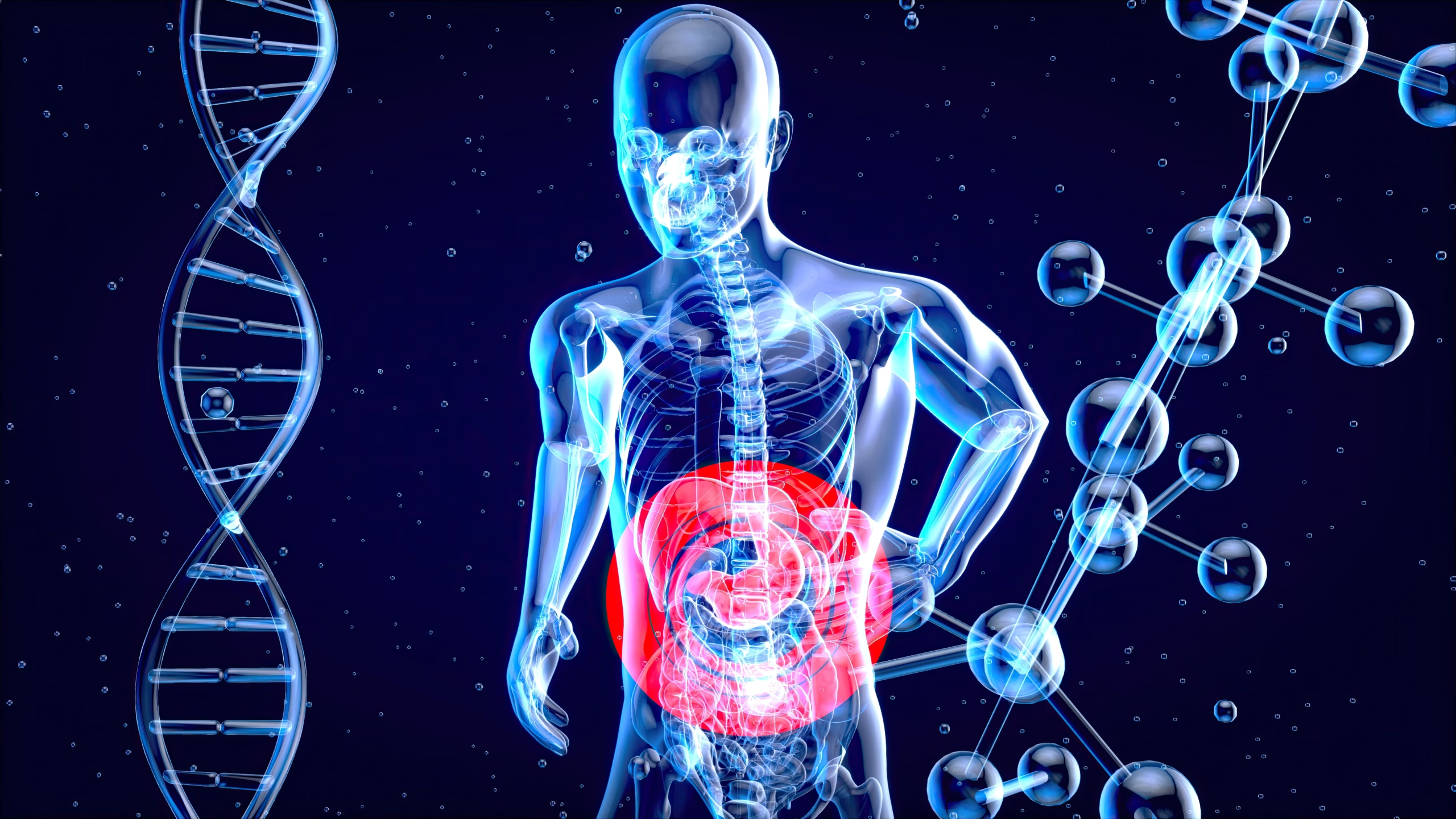
Gastrointestinal (GI) cancer, including cancers of the stomach, liver, pancreas, esophagus, and colon, is a significant health concern worldwide. These types of cancer are commonly referred to as GI cancers. Early detection and timely treatment are crucial in improving the prognosis of individuals diagnosed with GI cancers. One of the most effective treatment options for GI cancers is surgery, known as GI Onco Cancer Surgery. In this article, we will discuss the importance of GI Onco Cancer Surgery, when to consult a specialist, the common symptoms to watch out for, necessary precautions, and more.
What is GI Onco Cancer Surgery?
GI Onco Cancer Surgery refers to the surgical removal of tumors or cancerous tissues from the gastrointestinal system. This surgery is a critical component of the treatment for many GI cancers, often combined with other treatment methods like chemotherapy and radiation therapy. The goal of the surgery is to remove the tumor, prevent the cancer from spreading, and improve the patient’s quality of life.
Dr. Govind Nandakumar, a leading GI Onco Cancer Surgeon in Bangalore, has been at the forefront of treating patients with GI cancers. With his expertise and compassionate care, Dr. Nandakumar provides patients with the highest level of medical treatment for GI cancers, ensuring they have the best chance for a successful recovery.
Importance of GI Onco Cancer Surgery
The importance of GI Onco Cancer Surgery cannot be overstated, as it plays a pivotal role in managing various types of GI cancers. Here are some key reasons why this surgery is essential:
- Cancer Removal: The primary objective of GI Onco Cancer Surgery is to remove the tumor or cancerous tissue from the affected part of the gastrointestinal system. In some cases, the surgeon may also remove surrounding tissue to ensure that the cancer is fully excised.
- Prevention of Spread: Surgery helps prevent cancer from spreading to other organs. By removing the tumor early, the surgeon can significantly reduce the risk of metastasis, which is when cancer cells spread to distant parts of the body.
- Improvement of Prognosis: Surgical removal of the tumor improves the chances of survival for many patients, especially when the cancer is detected at an early stage. Surgery can also improve the patient’s overall health by alleviating symptoms caused by the tumor.
- Enhanced Quality of Life: GI cancers often cause discomfort, pain, and a decline in the quality of life. Surgery can help alleviate symptoms such as blockages, bleeding, and pain, leading to an improved quality of life for the patient.
When to Consult a GI Onco Cancer Surgeon in Bangalore?
Consulting a GI Onco Cancer Surgeon in Bangalore, like Dr. Govind Nandakumar, is essential if you experience any of the following symptoms:
- Persistent Abdominal Pain: If you experience severe and persistent abdominal pain, especially with no clear cause, it could indicate a problem within the gastrointestinal system. GI cancers often cause pain, particularly in the stomach, pancreas, or liver.
- Unexplained Weight Loss: Unexplained weight loss without a change in diet or exercise routine can be a sign of cancer. This is often seen in cancers of the stomach, liver, and pancreas.
- Blood in Stool or Vomit: If you notice blood in your stool or vomit, it is important to seek medical attention immediately. GI cancers, especially colon and stomach cancers, can cause gastrointestinal bleeding.
- Difficulty Swallowing: Difficulty swallowing, also known as dysphagia, can be a symptom of esophageal or stomach cancer. If the difficulty worsens over time, you should consult a GI Onco Cancer Surgeon.
- Chronic Bloating or Nausea: If you experience chronic bloating, nausea, or vomiting, it may be a sign of an underlying GI issue, including cancer. These symptoms may be accompanied by other warning signs such as unexplained fatigue.
- Jaundice: Jaundice, which is a yellowing of the skin and eyes, can indicate liver problems, including liver cancer. If you notice yellowing of your skin or eyes, it’s crucial to consult a specialist as soon as possible.
Common Symptoms of GI Cancers
GI cancers may not show symptoms in the early stages, which is why they are often diagnosed later when the cancer has progressed. However, common symptoms of GI cancers include:
- Abdominal pain or discomfort
- Unexplained weight loss
- Changes in bowel habits, such as diarrhea or constipation
- Vomiting or nausea
- Blood in the stool or vomit
- Jaundice (yellowing of the skin or eyes)
- Difficulty swallowing
- Persistent fatigue or weakness
- Loss of appetite
It’s important to note that these symptoms can also be caused by other, less serious conditions. However, if any of these symptoms persist, it’s essential to consult a GI Onco Cancer Surgeon in Bangalore for a proper diagnosis and treatment plan.
Precautions to Take for GI Cancer
Taking the right precautions can help reduce the risk of developing GI cancers. While some risk factors such as age and family history cannot be changed, lifestyle changes can help prevent certain types of GI cancers. Here are some important precautions to consider:
- Maintain a Healthy Diet: A diet rich in fruits, vegetables, whole grains, and lean proteins can reduce the risk of developing GI cancers, particularly colon cancer. Avoid excessive consumption of red meats, processed meats, and fatty foods.
- Exercise Regularly: Regular physical activity can help maintain a healthy weight and reduce the risk of developing cancer, including GI cancers.
- Avoid Smoking and Excessive Alcohol: Smoking and excessive alcohol consumption are major risk factors for GI cancers, particularly esophageal, liver, and stomach cancers. Quitting smoking and limiting alcohol intake can significantly reduce your cancer risk.
- Regular Screening: Regular screening for colorectal cancer, especially for individuals over the age of 50, can help detect early signs of cancer. Early detection can lead to more effective treatment and improved outcomes.
- Manage Medical Conditions: Conditions such as chronic inflammatory bowel disease (IBD) and hepatitis increase the risk of developing certain GI cancers. Managing these conditions with the help of a healthcare professional is essential for reducing cancer risk.
- Seek Medical Attention for Symptoms: If you experience any of the symptoms mentioned earlier, it’s important to consult a GI Onco Cancer Surgeon for timely evaluation and diagnosis.
Conclusion
GI Onco Cancer Surgery is an essential treatment for many individuals diagnosed with gastrointestinal cancers. The surgery plays a critical role in removing tumors, preventing the spread of cancer, and improving the overall prognosis and quality of life for patients. If you experience any symptoms of GI cancer, don’t hesitate to consult Dr. Govind Nandakumar, a leading GI Onco Cancer Surgeon in Bangalore, who specializes in treating various GI cancers.
Contact Dr. Govind Nandakumar for Consultation
If you or a loved one are experiencing any of the symptoms mentioned above, or if you’re at risk for GI cancer, it’s important to consult a specialist as soon as possible.
Call (+91) 9483887564
Have any question?
WhatsApp (+91) 9483887564
Email: [email protected]
Frequently Asked Questions (FAQs)
1. What is GI Onco Cancer Surgery?
GI Onco Cancer Surgery involves the removal of cancerous tumors from the gastrointestinal system.
2. When should I consult a GI Onco Cancer Surgeon in Bangalore?
Consult a GI Onco Cancer Surgeon if you experience symptoms like persistent abdominal pain, unexplained weight loss, or blood in stool.
3. How successful is GI Onco Cancer Surgery?
The success of the surgery depends on the cancer’s type, stage, and location, along with the patient’s overall health.
4. What are the risks associated with GI Onco Cancer Surgery?
Potential risks include infection, bleeding, blood clots, and anesthesia complications, but the benefits typically outweigh the risks.
5. Can GI cancer be prevented?
Lifestyle changes like maintaining a healthy diet, exercising, and avoiding smoking can help reduce the risk of GI cancer.
Don’t wait for the symptoms to worsen. Early detection and treatment can significantly improve outcomes for GI cancer patients. Book your appointment today and take the first step toward better health!