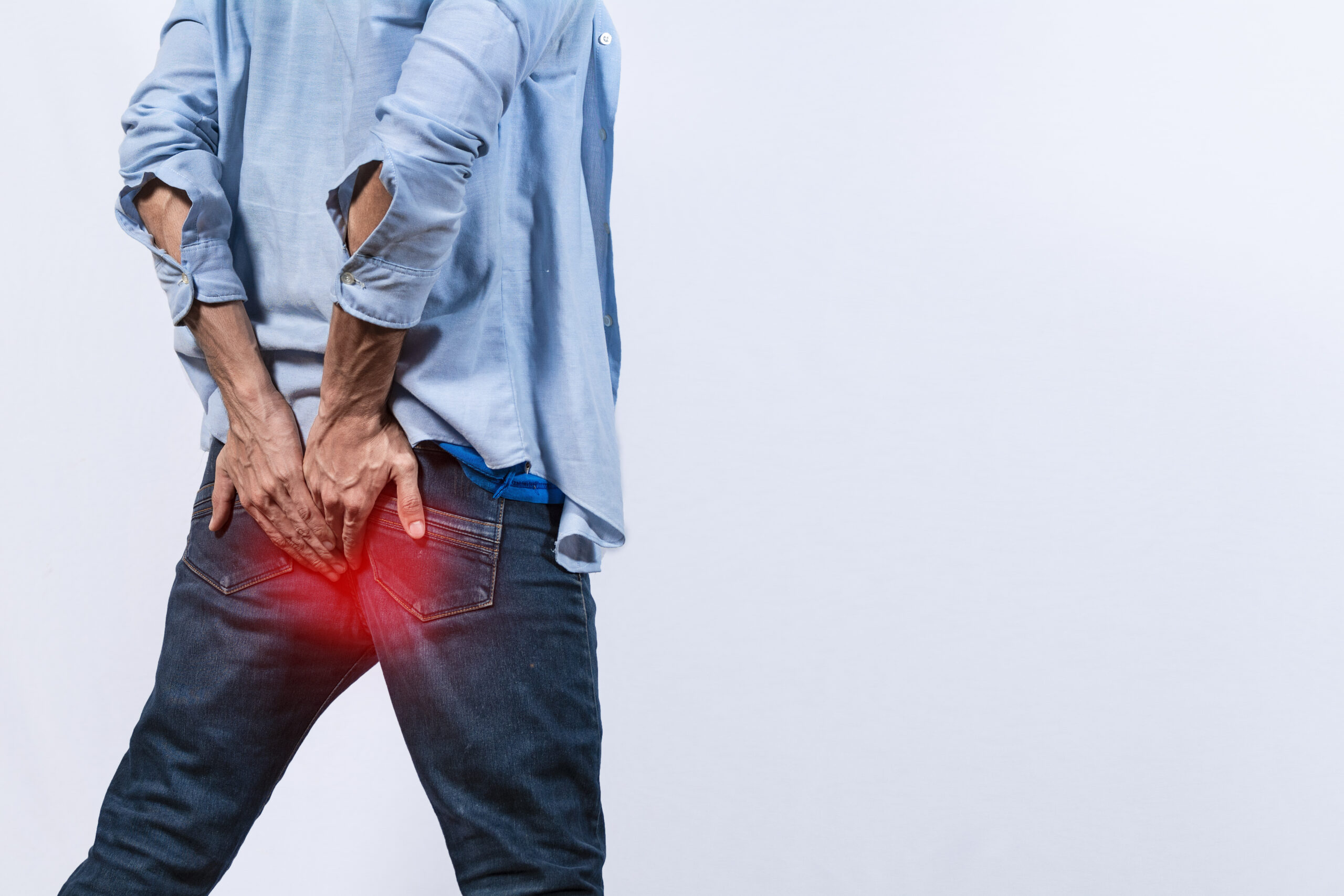
Piles, medically known as hemorrhoids, are a very common condition that affects millions of people worldwide. Despite being a widespread health issue, many individuals tend to ignore the early symptoms of piles due to embarrassment or lack of awareness. Unfortunately, delaying treatment can cause the condition to worsen, sometimes making surgery the only effective solution.
Recognizing the early warning signs of piles is crucial for preventing complications and seeking timely treatment. If addressed early, piles can often be managed with lifestyle changes and medication. However, when the condition progresses, consulting a specialist such as a Piles Surgeon in Hebbal becomes essential for proper diagnosis and treatment.
What Are Piles?
Piles occur when the veins in the lower rectum and anus become swollen and inflamed. This swelling can be caused by increased pressure in the rectal area, often due to chronic constipation, prolonged sitting, obesity, or pregnancy.
There are two main types of piles:
Internal Piles – These develop inside the rectum and may not cause pain but can lead to bleeding during bowel movements.
External Piles – These occur around the anus and can cause itching, swelling, and significant discomfort.
In the early stages, the symptoms of piles may appear mild and manageable. However, ignoring them can allow the condition to progress into more severe stages.
Early Signs of Piles Most People Ignore
Many people dismiss the early symptoms of piles as minor digestive issues. Understanding these signs can help you seek timely medical attention before the condition worsens.
Rectal Bleeding During Bowel Movements
One of the most common early signs of piles is noticing small amounts of bright red blood during bowel movements. This bleeding usually occurs due to irritation of the swollen veins in the rectum.
People often assume that occasional bleeding is caused by constipation or hard stools and delay seeking medical help. However, persistent bleeding should never be ignored. Consulting a specialist such as a Piles Surgeon in Hebbal can help determine the exact cause and prevent complications.
Persistent Itching Around the Anus
Another early symptom that many people ignore is itching around the anal region. This irritation can occur when mucus from internal piles leaks and irritates the surrounding skin.
While itching may seem like a minor problem, continuous irritation can lead to inflammation and discomfort. If the itching persists for several days or weeks, it may indicate the presence of piles.
Pain or Discomfort While Sitting
People with early-stage piles may experience mild pain or discomfort while sitting for long periods. This symptom often becomes more noticeable during activities such as driving, working at a desk, or traveling.
Many individuals attribute this discomfort to muscle strain or fatigue rather than piles. However, persistent discomfort in the anal region could be an early warning sign that should be evaluated by a medical professional.
Swelling or Lump Near the Anal Area
A small swelling or lump near the anus is another early indicator of piles. In some cases, this lump may appear after straining during bowel movements.
At first, the lump may be painless and may disappear on its own. However, as the condition progresses, it can become larger and more painful. Seeking advice from a Piles Surgeon in Hebbal at this stage can help prevent further complications.
Difficulty During Bowel Movements
Straining or experiencing discomfort while passing stools is also a common early sign of piles. Chronic constipation increases pressure on the veins in the rectal area, causing them to swell.
Ignoring this symptom can lead to worsening inflammation and the development of more severe hemorrhoids.
Why People Ignore Early Symptoms
Many people hesitate to seek medical treatment for piles due to social stigma or embarrassment. Some individuals prefer home remedies or over-the-counter medications instead of consulting a specialist.
Other reasons include:
Lack of awareness about the seriousness of piles
Assuming symptoms will resolve on their own
Fear of surgical treatment
Busy lifestyle and neglect of health issues
However, delaying treatment can cause the condition to worsen over time. In severe cases, surgery may become necessary to remove the swollen veins and relieve symptoms.
When Surgery Becomes Necessary
While many mild cases of piles can be treated without surgery, advanced stages may require surgical intervention. Surgery is usually recommended when:
Piles cause severe pain or bleeding
Hemorrhoids become prolapsed (protruding outside the anus)
Non-surgical treatments fail to provide relief
Blood clots develop in external hemorrhoids
Modern surgical techniques, including laser treatment and minimally invasive procedures, have made piles surgery safer and more comfortable than ever before.
Consulting an experienced Piles Surgeon in Hebbal can help determine whether surgery is necessary and which treatment option is most suitable for your condition.
Preventing Piles from Getting Worse
Recognizing the early symptoms of piles is the first step toward effective management. Making certain lifestyle changes can also help prevent the condition from worsening.
Some important preventive measures include:
Eating a high-fiber diet with fruits, vegetables, and whole grains
Drinking plenty of water to avoid constipation
Avoiding prolonged sitting, especially on the toilet
Exercising regularly to improve digestion
Maintaining a healthy body weight
These simple habits can significantly reduce pressure on the rectal veins and help prevent the progression of piles.
Importance of Early Medical Consultation
Early diagnosis and treatment can prevent piles from progressing to advanced stages. A medical specialist can evaluate your symptoms, recommend appropriate treatment, and help manage the condition effectively.
If you notice symptoms such as bleeding, itching, or swelling around the anus, it is important not to ignore them. Consulting a qualified Piles Surgeon in Hebbal can help you receive accurate diagnosis and timely treatment before the condition worsens.
Conclusion
Piles may start as a minor health issue, but ignoring the early signs can lead to severe discomfort and complications. Symptoms such as rectal bleeding, itching, swelling, and pain during bowel movements should never be ignored.
Seeking timely medical advice and adopting healthy lifestyle habits can help prevent piles from progressing to advanced stages. Early treatment not only reduces discomfort but also helps avoid the need for surgery in many cases.
If you are experiencing symptoms of piles or discomfort in the anal region, consulting an experienced specialist is the best step toward recovery. Early care and proper treatment can help you regain comfort, improve your quality of life, and prevent complications associated with untreated piles.