
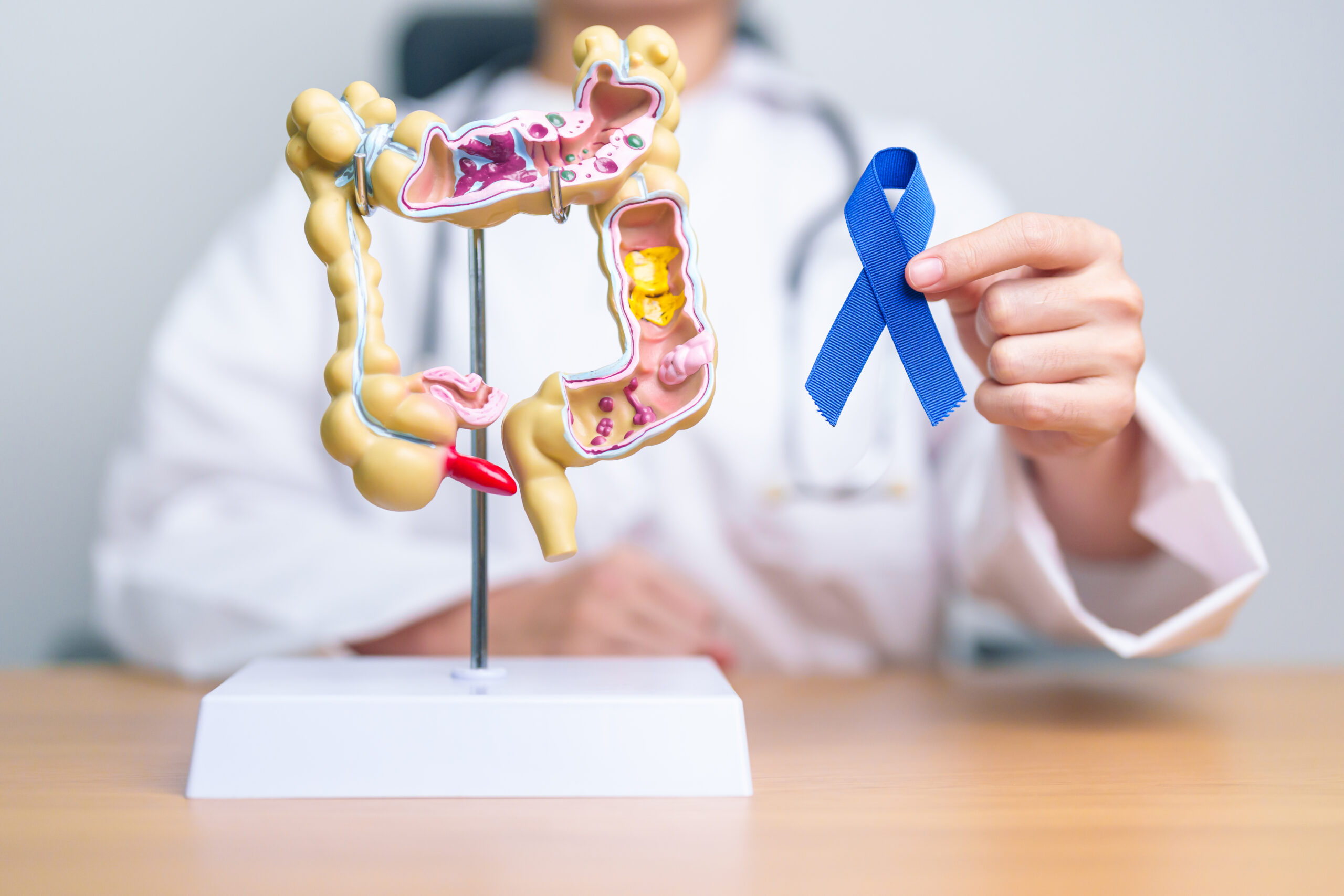
Cancer affecting the digestive system often develops silently, with symptoms appearing only in the later stages. This is why early detection plays a crucial role in improving treatment outcomes and survival rates. Gastrointestinal (GI) cancers can affect the oesophagus, stomach, liver, pancreas, gallbladder, small intestine, colon, rectum, and other digestive organs. When diagnosed early, many of these cancers can be treated effectively with advanced surgical techniques and multidisciplinary care.
Recognizing warning signs and consulting an experienced GI Onco Surgeon in Bangalore at the right time can make a significant difference. This guide explains how gastrointestinal cancers are detected early, the symptoms to watch for, available treatment options, and the importance of timely surgical intervention.
What Is Gastrointestinal Cancer?
Gastrointestinal cancer refers to a group of cancers that develop anywhere within the digestive tract or associated organs.
Common types include:
Stomach Cancer
Develops in the lining of the stomach and may initially resemble common digestive disorders.
Colorectal Cancer
One of the most common GI cancers, affecting the colon or rectum.
Liver Cancer
Often associated with chronic liver disease or hepatitis infections.
Pancreatic Cancer
A challenging cancer that frequently presents with subtle symptoms in its early stages.
Gallbladder and Bile Duct Cancer
Less common but often detected during evaluation for persistent abdominal symptoms.
Early diagnosis by a skilled GI Onco Surgeon in Bangalore significantly improves the chances of successful treatment.
Why Early Detection Matters
Many gastrointestinal cancers grow slowly before causing noticeable symptoms.
When diagnosed early, treatment may involve less extensive surgery, faster recovery, and improved long-term survival.
Unfortunately, many patients ignore warning signs such as persistent indigestion or unexplained weight loss, assuming they are minor digestive problems.
Regular health check-ups and prompt medical evaluation remain the best approach for early detection.
Symptoms You Should Never Ignore
Although symptoms vary depending on the affected organ, several warning signs should prompt medical attention.
Persistent Abdominal Pain
Pain that continues for several weeks without an obvious cause requires evaluation.
Unexplained Weight Loss
Losing weight unintentionally may indicate an underlying gastrointestinal disease.
Blood in Stool
Even small amounts of bleeding should never be ignored.
Difficulty Swallowing
Persistent swallowing difficulty may suggest oesophageal disease.
Changes in Bowel Habits
Long-standing constipation, diarrhoea, or changes in stool calibre require further investigation.
Persistent Indigestion
Acidity or bloating that does not improve with treatment deserves specialist evaluation.
Fatigue and Weakness
Chronic blood loss from gastrointestinal cancers may lead to anaemia and persistent tiredness.
If you experience these symptoms, consulting a specialist early can help identify the cause before the disease progresses.
What Causes Gastrointestinal Cancer?
Several factors increase the risk of GI cancers.
Age
Risk generally increases after the age of 50.
Family History
Certain hereditary conditions significantly increase the likelihood of colorectal and other gastrointestinal cancers.
Smoking and Alcohol
Long-term tobacco and alcohol use increase the risk of several digestive tract cancers.
Obesity
Excess body weight has been linked to multiple GI cancers.
Unhealthy Diet
High consumption of processed meats and low fibre intake may contribute to colorectal cancer risk.
Chronic Infections
Conditions such as Helicobacter pylori infection and chronic hepatitis increase the risk of stomach and liver cancers.
Inflammatory Bowel Disease
Long-standing ulcerative colitis or Crohn’s disease may increase colorectal cancer risk.
Understanding these risk factors helps identify individuals who may benefit from earlier screening.
When Should You See a GI Onco Surgeon?
Early consultation is recommended if you have:
Persistent Digestive Symptoms
Symptoms lasting more than two to three weeks should be investigated.
Family History of GI Cancer
Regular screening may be advised even before symptoms develop.
Blood in Stool
Any unexplained gastrointestinal bleeding requires immediate medical evaluation.
Unexplained Weight Loss
Weight loss without dieting should never be ignored.
Abnormal Endoscopy or Scan Reports
Patients with suspicious findings should consult an experienced GI Onco Surgeon in Bangalore for further assessment.
How Is Gastrointestinal Cancer Detected Early?
Early detection combines clinical expertise with advanced diagnostic technology.
Clinical Examination
A detailed medical history and physical examination help identify warning signs.
Endoscopy
Upper GI endoscopy allows direct visualization of the oesophagus, stomach, and upper digestive tract.
Colonoscopy
This is the gold standard for detecting colorectal polyps and early colorectal cancer.
Biopsy
Suspicious tissue samples are examined under a microscope to confirm diagnosis.
CT Scan and MRI
Advanced imaging evaluates tumour size and spread.
PET CT
Helps assess cancer staging in selected patients.
Blood Tests
Tumour markers and routine investigations provide additional information.
Modern diagnostic methods enable earlier diagnosis and better treatment planning.
Treatment Options for Gastrointestinal Cancer
Treatment depends on the type, stage, and location of the cancer.
Surgery
Surgery remains the primary treatment for many localized gastrointestinal cancers.
Chemotherapy
Often used before or after surgery to reduce recurrence risk.
Targeted Therapy
Certain cancers respond to medications designed to attack specific cancer cells.
Immunotherapy
Selected patients benefit from immune-based treatments.
Radiation Therapy
Used for specific GI cancers depending on tumour location.
Comprehensive GI Onco Surgery in Bangalore often combines multiple treatment modalities for optimal outcomes.
Surgery for Gastrointestinal Cancer
Advances in surgical technology have significantly improved cancer treatment.
Depending on the diagnosis, procedures may include:
- Laparoscopic cancer surgery
- Robotic GI cancer surgery
- Liver resections
- Pancreatic surgery
- Colon and rectal cancer surgery
- Gastric cancer surgery
- Complex hepatobiliary procedures
Minimally invasive techniques offer several advantages, including:
- Smaller incisions
- Less postoperative pain
- Faster recovery
- Reduced hospital stay
- Earlier return to daily activities
The most appropriate surgical approach is determined after comprehensive evaluation.
Recovery After GI Cancer Surgery
Recovery depends on the complexity of the procedure and the patient’s overall health.
Immediately After Surgery
Patients begin mobilization under medical supervision to reduce complications.
Hospital Stay
Most minimally invasive procedures allow shorter hospitalization compared to traditional open surgery.
Long-Term Recovery
Nutritional counselling, follow-up imaging, and regular oncology reviews are essential for long-term care.
Recovery is carefully monitored by the multidisciplinary cancer team.
Why Choose Dr. Govind Nandakumar?
Patients seeking expert GI Onco Surgery in Bangalore benefit from comprehensive cancer care led by Dr. Govind Nandakumar, one of Bangalore’s leading Gastrointestinal, HPB, Liver Transplant, and GI Onco Surgeons.
Dr. Govind has extensive expertise in minimally invasive gastrointestinal cancer surgery, liver surgery, pancreatic surgery, colorectal surgery, robotic surgery, and complex hepatobiliary procedures. His patient-centred approach emphasizes early diagnosis, evidence-based treatment, and organ-preserving surgical techniques whenever appropriate.
By combining advanced surgical skills with multidisciplinary cancer management, he aims to provide the best possible outcomes for patients diagnosed with gastrointestinal cancers.
Why Early Detection Saves Lives
Many gastrointestinal cancers are highly treatable when detected early.
Ignoring persistent digestive symptoms can delay diagnosis and reduce treatment options. Timely consultation with an experienced GI Onco Surgeon in Bangalore, appropriate investigations, and individualized treatment planning significantly improve survival rates and quality of life.
If you have persistent digestive symptoms or a family history of gastrointestinal cancer, do not delay seeking medical advice. Early evaluation and expert GI Onco Surgery in Bangalore can make a life-saving difference.
Frequently Asked Questions
1. What are the early symptoms of gastrointestinal cancer?
Persistent abdominal pain, unexplained weight loss, blood in the stool, difficulty swallowing, prolonged indigestion, and changes in bowel habits are among the early warning signs that require medical evaluation.
2. When should I consult a GI Onco Surgeon in Bangalore?
You should consult a specialist if digestive symptoms persist for more than two weeks, you notice gastrointestinal bleeding, have unexplained weight loss, or have a strong family history of GI cancers.
3. Can gastrointestinal cancer be detected before symptoms appear?
Yes. Screening tests such as colonoscopy, endoscopy, imaging studies, and regular health check-ups can detect precancerous changes or early-stage cancers before significant symptoms develop.
4. Is surgery the only treatment for gastrointestinal cancer?
No. Treatment may include surgery, chemotherapy, radiation therapy, targeted therapy, immunotherapy, or a combination of these approaches depending on the cancer type and stage.
5. Why choose Dr. Govind Nandakumar for GI Onco Surgery in Bangalore?
Dr. Govind Nandakumar is an experienced GI Onco Surgeon with expertise in laparoscopic, robotic, hepatobiliary, pancreatic, colorectal, and liver cancer surgeries. His evidence-based, multidisciplinary approach focuses on early diagnosis, advanced surgical techniques, and personalized cancer care for the best possible patient outcomes.